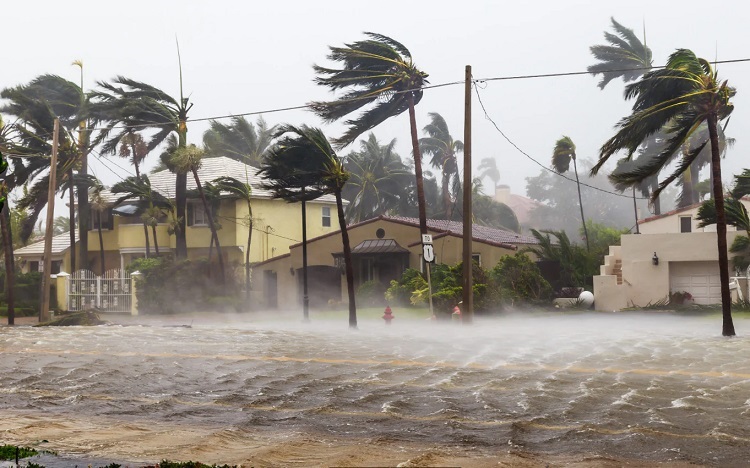
In a matter of minutes, storms can cause a trail of devastation, uprooting trees, flooding interiors, damaging roofs, and jeopardizing the structural stability of houses and businesses. For homeowners seeking storm damage repair in Charlotte, partnering with experienced local professionals ensures that repairs are done efficiently and in compliance with regional building codes. This article walks you through a step-by-step approach to evaluating storm damage and executing repairs in a practical, efficient manner.
Table of Contents
1. Prioritize Safety First
Verify the area’s safety before evaluating any damage. Power outages, downed electrical lines, broken glass, and unstable structures can pose serious hazards. Until an area has been deemed safe, stay away from severely damaged areas. If in doubt, seek help from a professional restoration team or local authorities.
If the storm has caused water intrusion, be especially cautious about electrical risks. Shut off the main power supply if it’s safe to do so, and never touch electrical components while standing in water.
2. Perform An Exterior Assessment
Start your inspection by taking a stroll around the property’s exterior. Look for signs of visible damage, such as:
- Missing or damaged roof shingles.
- Cracks or holes in siding or stucco.
- Broken gutters or downspouts.
- Damaged or fallen trees and fences.
- Water pooling near the foundation.
- Broken windows or exterior doors.
Take photographs of any damage you observe. These will be helpful when speaking with contractors and when filing insurance claims. It’s best to conduct your inspection during daylight hours to ensure visibility.
3. Check The Interior
Once the exterior is secured, assess the inside of your property. From minor leaks to significant flooding and structural problems, storms can cause a variety of problems. Signs of interior damage may include:
- Water stains on ceilings or walls.
- Damp or sagging drywall.
- Flooring that is lifting, warping, or buckling.
- Leaks or moisture in the attic.
- Mold or mildew odors.
- Electrical issues (flickering lights, non-functional outlets).
Document these issues carefully, and if you notice any mold growth or musty smells, it’s important to address them quickly, as mold can spread rapidly in moist environments.
4. Contact Your Insurance Company
Before beginning major repairs, contact your insurance provider. Most homeowners’ and commercial insurance policies cover certain types of storm damage. Provide the documentation and photos you’ve collected, and schedule an inspection with an insurance adjuster if necessary.
Knowing your policy coverage can help you make informed decisions about what repairs are reimbursable and whether you’ll need to pay out of pocket for some restoration work.
5. Begin Temporary Repairs
While waiting for insurance approval or contractor availability, take steps to prevent further damage. Temporary measures may include:
- Tarping a damaged roof to prevent leaks.
- Boarding up broken windows.
- Using sandbags or barriers to divert water away from your property.
- Removing water-soaked carpets or furniture to prevent mold.
These efforts not only help protect your home or business from additional harm but also demonstrate that you’re actively working to mitigate losses—something insurance companies often look for during claims processing.
6. Hire Professional Help For Repairs
Once you’ve assessed the damage and taken immediate protective steps, it’s time to hire professionals for permanent repairs. Depending on the severity of the damage, you may need:
- Roofing specialists to replace or repair shingles and flashing.
- General contractors to address structural damage.
- Electricians and plumbers to inspect and fix critical systems.
- Water damage restoration experts to remove moisture and prevent mold.
- Tree removal services for fallen or hazardous trees.
Make sure to choose licensed, insured contractors with good reputations and experience handling storm-related repairs. Getting multiple quotes can also help ensure you’re receiving a fair price.
7. Focus On Long-Term Resilience
Repairing storm damage isn’t just about restoring what was lost—it’s also an opportunity to fortify your property against future storms. Consider:
- Upgrading to impact-resistant roofing materials.
- Reinforcing windows and doors with storm shutters.
- Improving drainage systems around the foundation.
- Installing sump pumps in flood-prone basements.
- Securing outdoor structures and loose items.
Taking these proactive steps can reduce future repair costs and help protect your home or business from future weather-related damage.
Conclusion
Effective storm damage assessment and repair techniques are essential for safeguarding your property, guaranteeing your safety, and accelerating recovery. Begin with a thorough assessment, prioritize safety, and document everything. Then, take temporary steps to prevent further damage while coordinating with your insurance provider and hiring qualified professionals. Lastly, strengthen your property with preventative measures that prepare you for whatever storms may come. You can transform a stressful circumstance into a manageable recovery by remaining composed and taking a methodical approach.