A fire can leave behind more than visible destruction—it disrupts lives, damages property, and creates hazardous conditions. Once the flames are out and the immediate danger has passed, the next challenge begins: cleaning up and restoring what was lost. Fire damage restoration in Charlotte involves a step-by-step process that addresses everything from structural repairs to smoke odor removal. Effectively managing this process can have a big impact on how soon and safely you can resume your regular life.
Table of Contents
Step 1: Wait For Professional Clearance
After a fire, the affected property must be declared safe by emergency responders before any restoration begins. Even if the damage seems minor, hidden risks like weakened structures, electrical hazards, or toxic fumes may linger. Do not go into your business or home until professionals have checked it out and given you the all-clear.
Step 2: Secure The Property
Once it’s safe, the next priority is to prevent further damage. This often means boarding up broken windows, placing tarps over exposed roofing, or securing entrances. Storms or vandalism can make a bad situation worse, so temporary measures to protect the property are crucial. Restoration teams usually handle this step quickly to safeguard what remains.
Step 3: Determine The Damage’s Scope
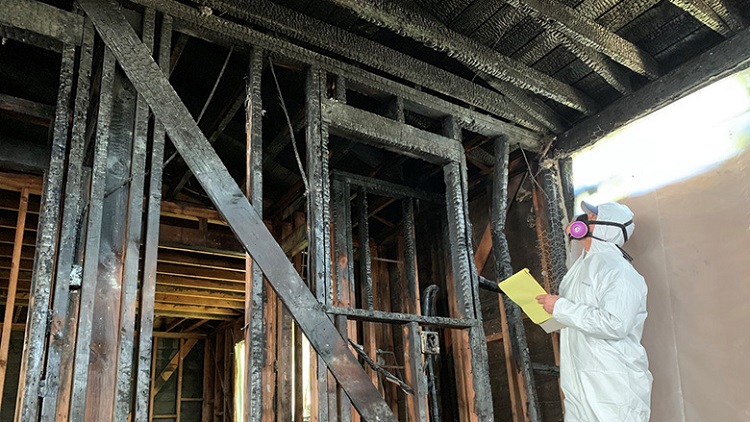
Comprehensive assessment is essential for creating a restoration plan. Fire affects more than just what the flames touch—smoke, soot, and water used in firefighting efforts all cause secondary damage. Technicians will inspect the structural integrity of walls, ceilings, and floors while also checking for water damage, mold, and persistent smoke odors.
They’ll categorize the type of fire and the resulting damage to determine the best cleaning methods and materials. An evaluation is also vital for insurance purposes, providing a basis for your claim and helping you get fair compensation.
Step 4: Notify Your Insurance Company
To start the claims procedure, get in touch with your insurance company as soon as you can. Document everything—take photographs, keep receipts, and create a detailed list of all damaged items. Restoration professionals can assist with documentation and help communicate with your insurer, making the process smoother and quicker.
Step 5: Begin Water Removal And Drying
What many don’t realize is that firefighting efforts often leave behind significant water damage. If left unattended, standing water, soaked materials, and residual moisture can all promote the growth of mold. Restoration crews use industrial pumps, dehumidifiers, and air movers to extract water and dry the space thoroughly.
Quick drying prevents structural deterioration and inhibits mold development, making this one of the most time-sensitive parts of the cleanup process.
Step 6: Soot And Smoke Cleanup
Even if the fire was contained to a small area, smoke and soot can spread throughout the entire property. These residues are not only unpleasant but can also be acidic and cause further damage to surfaces, electronics, and fabrics.
Cleaning involves using specialized products to neutralize soot and remove stains from walls, ceilings, and personal belongings. Air purifiers, thermal foggers, and ozone machines are also commonly used to eliminate persistent smoke odors and restore air quality.
Step 7: Debris Removal And Structural Repairs
Once water, soot, and smoke are dealt with, it’s time to clear out damaged materials. This may involve removing charred drywall, flooring, insulation, and fixtures. Local laws must be followed when disposing of any debris, especially if it contains hazardous materials.
Then comes rebuilding—replacing drywall, painting walls, restoring electrical systems, and repairing any parts of the property’s framework that were weakened or destroyed. Depending on the extent of the damage, this phase can take anywhere from a few days to several weeks.
Step 8: Restoration Of Personal Belongings
Furniture, clothing, electronics, and sentimental items may seem unsalvageable, but many can be restored with the right techniques. Soft goods can often be deep-cleaned, while electronics may be carefully dried and cleaned by specialists. Valuable documents can sometimes be recovered through freeze-drying and decontamination processes.
Professionals assess each item individually, determining what can be saved and what must be discarded based on condition and safety.
Step 9: Final Inspection And Prevention Measures
After repairs and cleaning are complete, a final walkthrough ensures the property meets safety standards and is fully restored. Restoration teams often provide advice on fire prevention—such as installing smoke detectors, using fire-resistant materials, and developing an evacuation plan—to reduce future risks.
Conclusion
Handling fire damage restoration requires a structured approach, specialized tools, and expert knowledge. From initial safety measures to detailed cleaning and reconstruction, each step plays a critical role in ensuring a successful recovery. By working with professionals, documenting damage for insurance, and acting swiftly, you can move forward with confidence and rebuild not just your property, but your peace of mind.